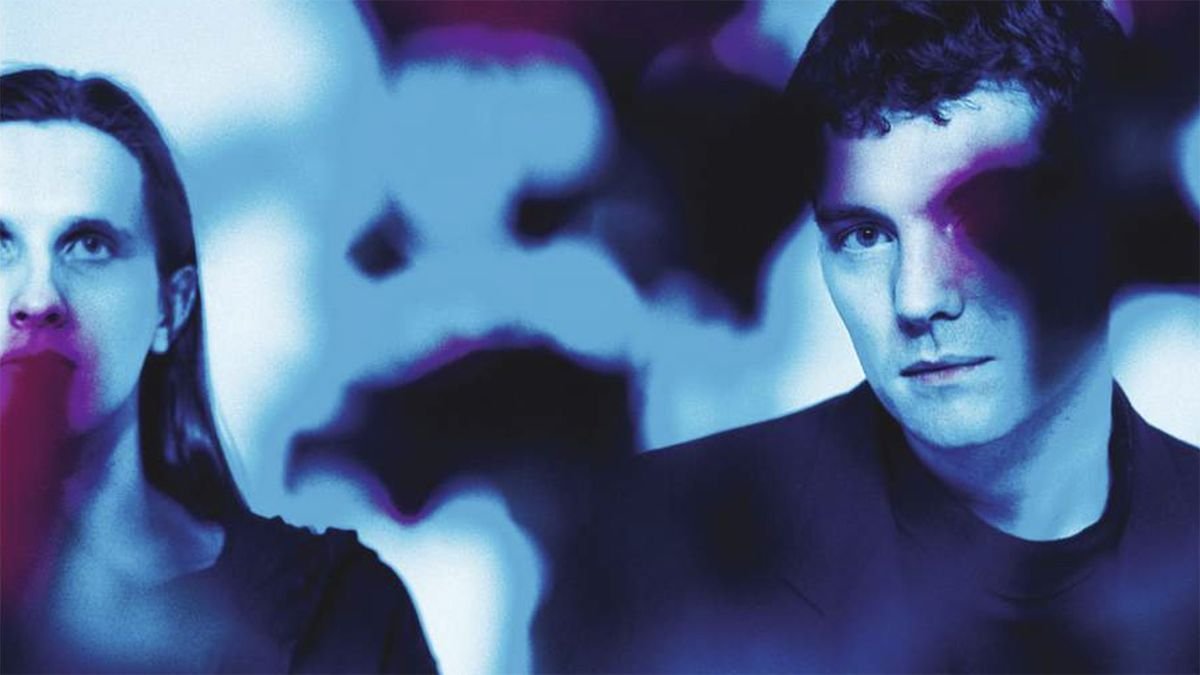

Through 2010, No-Guy have been in lifestyles for 23 years – however Tim Bowness and Steven Wilson had solely launched six studio albums in that point. The duo instructed Prog about retaining the flame alive regardless of the distractions in their different initiatives, and the inventive motivation that supposed the band used to be by no means fully within the shadows.
“After we first met, what used to be thrilling about operating with Steven used to be that he had in a similar fashion wide tastes and as a lot pastime for eating song, motion pictures and books as for growing,” says No-Guy’s Tim Bowness.
When you get chatting with both Bowness or Steven Wilson, there’s not one of the guarded reserve you in most cases come across when assembly seasoned skilled musicians, the fall-out from years spent chatting with the clicking or responding to the continued barrage of queries from curious lovers. They’ll eagerly speak about what’s been thrilling their earbuds in fresh days. The ensuing dialog will take any selection of sudden twists as their newest listening is mentioned, dissected and distributed with a virtually child-like zeal.
The wide tastes that Bowness highlights coalesced from that first assembly within the past due 80s to grow to be the DNA that has run thru No-Guy’s genre-defying song. Their first outings had been cassette-only shout-outs delving among shadows forged via Nick Drake, Sandy Denny, Nico’s The Marble Index and dream-laden electronica. The addition of violinist Ben Coleman, whilst offering a hovering counterpoint to Bowness’ cooled-down croon, additionally augmented the smoky, elegiac depression that drifted around the break-beats in their minimalist Donovan duvet, Colors.
This canny aggregate noticed the three-piece leapfrogging their approach to a take care of OLI – house to The Shamen, The Sugarcubes and later, Björk. Even though avid gamers within the recreation, additionally they lampooned pop global hyperbole, with Bowness penning press releases beneath the pseudonym of Billy Baudelaire: “No-Guy are a Rolls Royce to The Stone Roses’ Skoda” being one in every of his maximum memorable barbs.
However OLI most well-liked hits to quips; and whilst No-Guy duly delivered them some indie chart earners – significantly the beatific, blissed-out groove of 1991’s Days In The Bushes – the corporate sought after extra. The force of bobbing up with chart-friendly subject material exerted an unwelcome distorting impact upon the crowd. And regardless of quickly compromising the inventive imaginative and prescient of the band, mainstream good fortune persisted to elude them.
Dangerous information for the label became out to be a blessing in cover. “Our failure to damage the ‘grown-up charts’ resulted in us being dropped via our label, supervisor and writer; and, in flip, resulted in us rediscovering what it used to be we truly sought after to do musically,” Bowness admits.
Their One Little Indian swansong, Flowermouth (1994) – an excellent concoction of dad, prog, folks kinds and beat-driven electronica – now not solely noticed the departure of Coleman, however had them embracing their dependancy of welcoming visitors avid gamers. Richard Barbieri, Steve Jansen and Mick Karn (Japan, Rain Tree Crow) have all made appearances, as have Robert Fripp, Mel Collins and jazz-rock trumpeter Ian Carr.
“Like a lot of song lovers, we like concocting musical ‘dream groups’ – however it’s at all times the track that comes first with No-Guy,” Bowness explains. “After we’ve written a work, we’re occasionally willing to look if folks can strengthen it or take it to puts we wouldn’t or couldn’t; therefore the occasional use of consultation musicians.”
There aren’t many bands whose reference issues span from Egg to A Tribe Known as Quest and Public Enemy
Steven Wilson
Along side the staff, each and every No-Guy album has witnessed a shift in taste or dramatic emphasis. “Tim grew up with David Bowie and I grew up with King Purple and Zappa,” says Wilson. “Those artists are infamous for provoking their lovers via converting route each 10 mins. Zappa is freeing a doo-wop document one minute and the following he’s freeing a significant classical song document – and I love that. I just like the sense of now not simply purchasing into a selected sound, however purchasing into the artist after which being ready to move with them.”
Whilst some artists may have you imagine they by no means pay attention to any individual else’s song lest it contaminate their very own paintings, No-Guy have at all times supped at the zeitgeist with gusto. “There aren’t many bands whose reference issues span from Egg to A Tribe Known as Quest and Public Enemy!” says Wilson. “That’s at all times been probably the most distinctive issues about us – each myself and Tim do duvet that vary of pastime. We’re as thinking about business song as we’re via folks song as we’re via modern rock; and we don’t flip our noses up at the rest – it’s all inspirational to us.”
A few of that vary can also be noticed and heard on Mixtaped, a double-DVD package deal that now not solely includes a long documentary historical past of the band but additionally comprises photos in their go back to the level in 2008 after a 15-year absence, coinciding with the discharge of 6th album Schoolyard Ghosts.
“I liked the truth that the reside band controlled to seize the essence of No-Guy whilst giving it a contemporary id,” Bowness says. “We created a far more difficult sound reside, however didn’t appear to lose the sophistication or subtlety of the studio recordings. I used to be additionally thinking about the truth that we took the classical-minimalism-meets-art-rock facet of what we do slightly slightly additional at the excursion.”
Tim’s function is fundamental track concepts, lyrics and vocals, whilst mine is manufacturing and construction a sound-world for the ones songs
Steven Wilson
A defining function of the No-Guy sound has after all been the breathy fringe of Bowness’ making a song. His phrases ceaselessly take care of folks on the fringe of one thing, shifting from one house to every other – the place uncertainty, redemption or loss seem to look forward to. His intense observations pare relationships and eventualities to the bone with an unflinching and every so often uncomfortable poetic precision. Does he ever self-censor a lyrical concept that’s deemed too upbeat or cheery?
“Weirdly, I did the other on Schoolyard Ghosts,” he says. “For me, it’s ceaselessly more uncomplicated to write down one thing stupidly bleak than one thing intelligently sure. In order an experiment, I consciously tried to move in opposition to sort with out shedding the essence of what I do. The ensuing album used to be concerning the talent maximum folks must reinvent ourselves, recuperate from loss, or pick out ourselves out of the mire.
“Once I carry out or write, I do have a tendency to get misplaced within the subject material; I both draw on non-public reports, or my belief of folks’s reports. There are a couple of songs which draw at once from my previous [Schoolyard Ghosts’ title track for one]. However normally, I write lyrics that experience extra of an emotional fact about them than autobiographical truth.”
Given the good fortune of Porcupine Tree – at the start conceived as a Wilson-only adjunct to No-Guy – and the a large number of writing and manufacturing tasks he undertakes, is there ever a catch 22 situation about what concepts move into the No-Guy melting pot and what is going into different Wilson initiatives? “If I’m writing for No-Guy I’m writing with Tim,” he explains. “I don’t move off and write for No-Guy alone.
“It’s understood that Tim’s function is fundamental track concepts, lyrics and vocals, whilst mine is manufacturing and construction a sound-world for the ones songs. We’ve got an excessively symbiotic factor – we’ve know each and every different for see you later there’s nearly not anything that both folks can say to offend the opposite. It’s so necessary to have that more or less dating the place you’re now not treading on eggshells. I feel that’s probably the most causes we’ve reinvented the song so ceaselessly; we like to confront our personal expectancies in addition to our target market’s.”
We’re nonetheless the similar idealistic musicians who met one every other in the summertime of 1987
Tim Bowness
Except for the calls for of Porcupine Tree – that have made No-Guy’s development undoubtedly glacial – Bowness additionally has pageant for his personal time. He’s co-founder of the revered Burning Shed label, a solo artist, a common collaborator with Italian prog outfit Nosound, and co-writer and manufacturer of Judy Dyble’s acclaimed 2009 album Speaking With Strangers. However he’s positive about No-Guy’s long term.
“I imagine that we’re nonetheless the similar idealistic musicians who met one every other in the summertime of 1987,” he says. “I’m hoping the principle distinction is that, thru non-public and musical reports, we’ve were given higher at doing what we do. So long as we stay open to contemporary influences and our feelings, optimistically we’ll proceed to conform.”