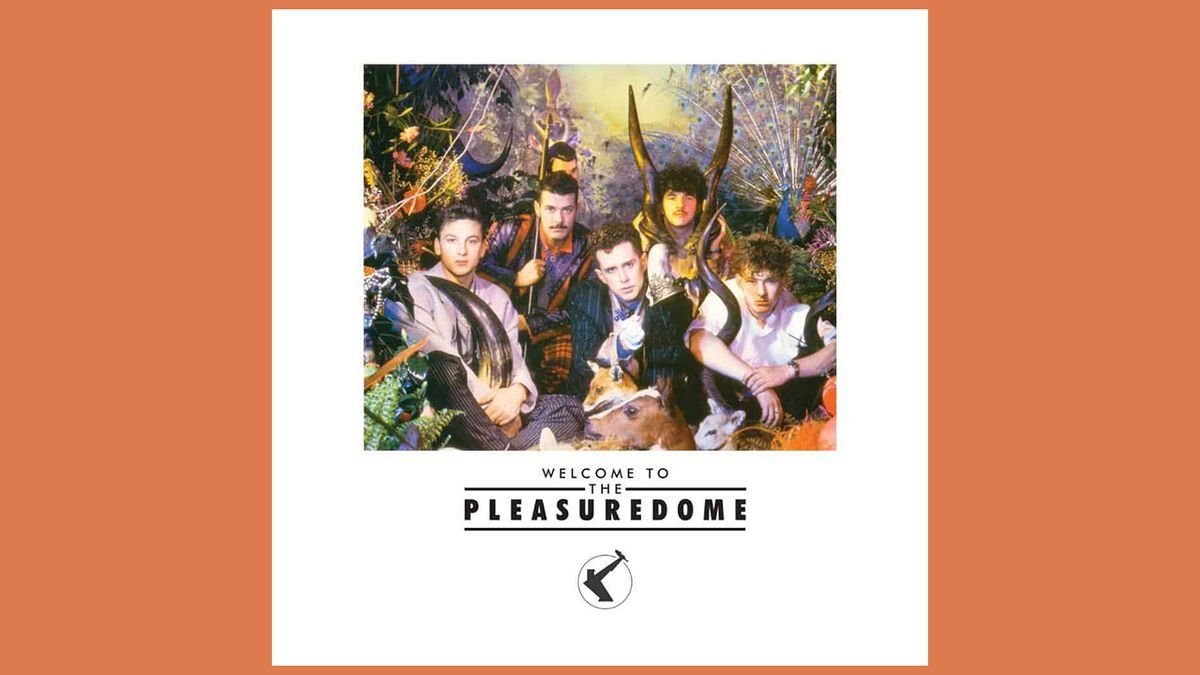
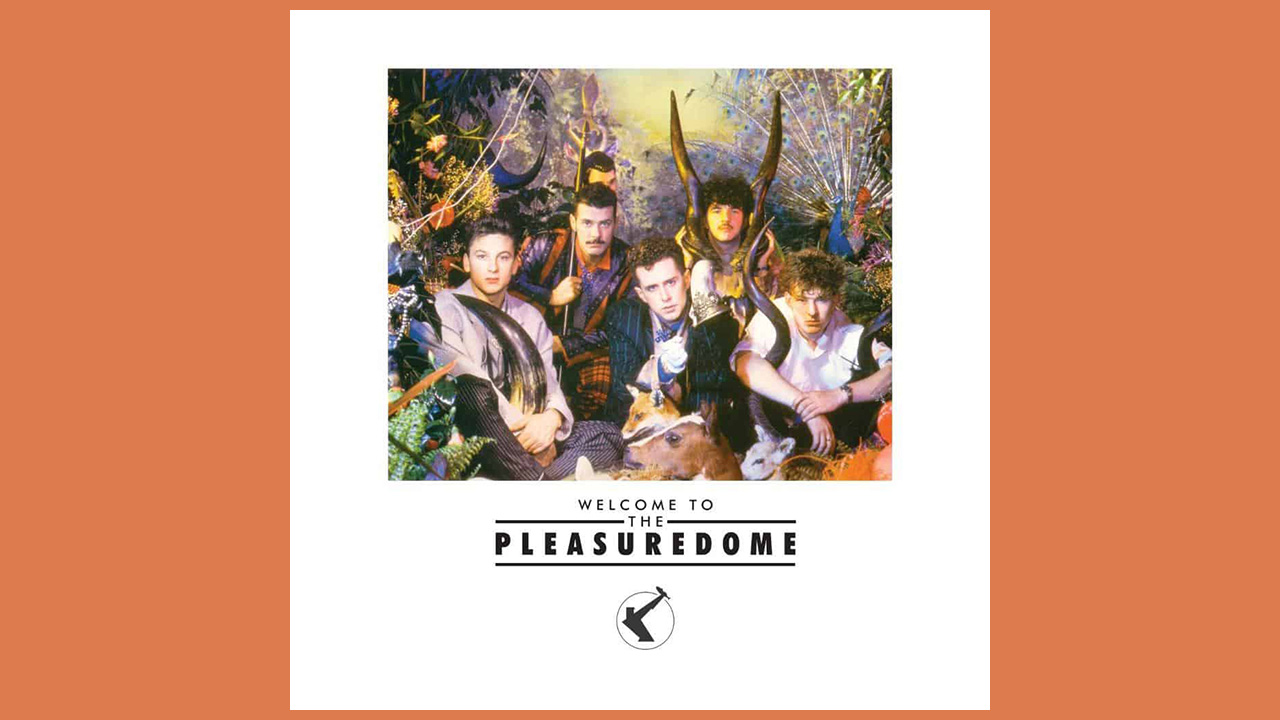
In 2010 Prog regarded again at one of the most mid-80s’ maximum bold pop albums, and argued that Frankie Is going To Hollywood had actually made a prog document in Welcome To The Pleasuredome.
Via the early 80s, prog could have been superceded by way of synthpop and New Romantic – however its affect lingered the least bit most probably of puts.
The 1984 debut album by way of infamous Liverpudlian five-piece Frankie Is going To Hollywood, who had made their identify with sensationalist bursts of three-minute turbocharged technopop about homosexual intercourse (Chill out) and Armageddon (Two Tribes), didn’t appear to be a latterday prog paintings on the time; however hindsight suggests differently.
Take the identify, with its allusion to ELP’s ‘Welcome again, my buddies, to the display that by no means ends.’ Frankie matched ELP for pomp, bombast, overambition and grandiosity of execution. Welcome… used to be a debut double album, proggishly audacious in itself. The packaging used to be lavish, the sleeve gatefold.
There have been additionally inscrutable sleevenotes from conceptual mastermind Paul Morley – if prog privileged anything else, it used to be arty indecipherability.
It felt like an idea album, with its snippets of discussion, interjections from Ronald Reagan (on warfare) and ‘Prince Charles’ (discussing orgasms), and the quite a lot of orchestral digressions, squelches, tics and bangs improving the sense of tournament.
The epic sound used to be courtesy of Trevor Horn, who had, after all, been a member of and manufacturer for Sure. It used to be sheer sonic overload and manufacturing overkill throughout 4 aspects as Horn used the whole lot in his studio arsenal.
At his beck and phone had been a sequence of musicians, no longer simply Frankie’s so-called Lads (guitarist Brian Nash, bassist Mark O’Toole and Peter Gill on drums) however a slew of dexterous sessioneers – together with Trevor Rabin and Steve Howe, either one of Sure – whose virtuoso workout routines are all over the place the album, particularly the 13-minute title-track, a longer multi-partite Dionysian odyssey into the hi-tech prog-disco unknown.
Prog references abounded: there used to be a song referred to as Want The Lads Have been Right here; portions seemed like an up to date model of the tricksy, brainiac prog-pop of 10cc, which made sense as a result of Horn used to be an enormous fan of Sheet Song (1974) and The Authentic Soundtrack (1975).
In Horn’s palms, and along with his label ZTT, the relationship between 70s prog and 80s techno pop would proceed.