Satanism in Rock and Metal: A Controversial History
Satanism, or at least the accusations surrounding it, has long been a part of the rock and metal music scenes. Recently, however, the dismissal of Twin Temple from a tour with outlaw country artist Charley Crockett due to their “Satanic imagery” raised eyebrows. Crockett himself was reportedly taken aback by the duo’s dark themes after they had already been booked, leading to their removal from the bill.
Twin Temple’s situation is just one example in a growing list of bands that have faced show cancellations due to accusations of Satanism. In their case, the duo openly identifies as a Satanic act, making their dismissal from the tour particularly noteworthy.
The Broader Context of Satanism in Music
Throughout the years, various rock and metal bands have experienced backlash and cancellations due to their perceived connections to Satanism. Below are some notable instances where bands have been affected by these accusations.
Behemoth
What happened: Behemoth’s frontman, Nergal, has faced multiple blasphemy charges in Poland for actions such as tearing up a Bible on stage. Despite these challenges, the band continues to perform in Poland, although other countries have canceled their shows. In February 2026, the Turkish government canceled two Behemoth shows under pressure from religious groups who labeled their art as “Satanic propaganda.”
Black Sabbath
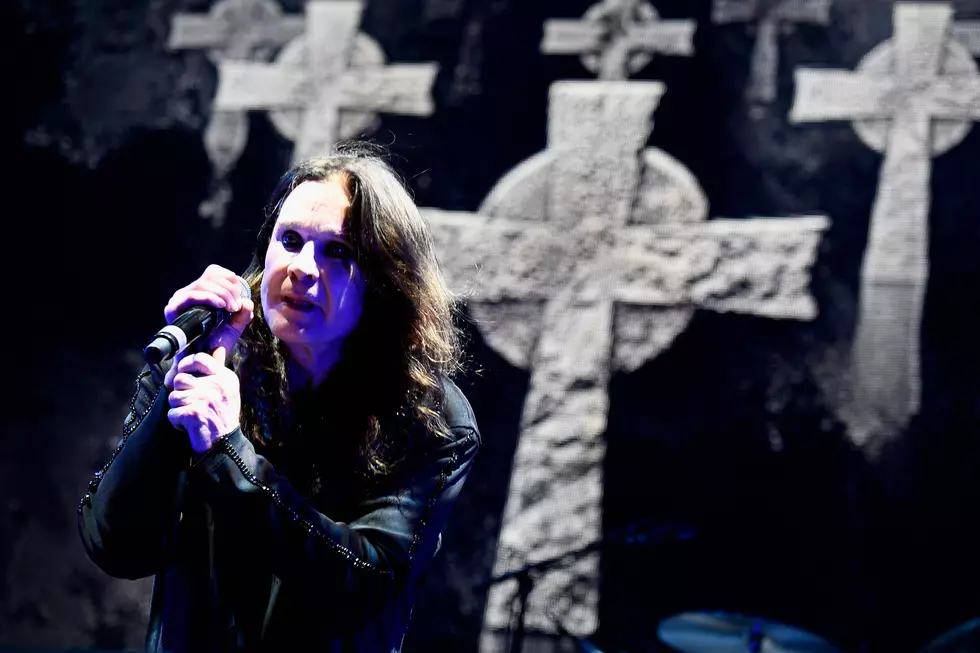
What happened: Black Sabbath often explored occult themes, but guitarist Tony Iommi clarified that their interest was more about curiosity than genuine Satanism. However, the band faced opposition when a local church once managed to shut down a show before it even started, with bizarre claims linking them to a church fire.
Iron Maiden
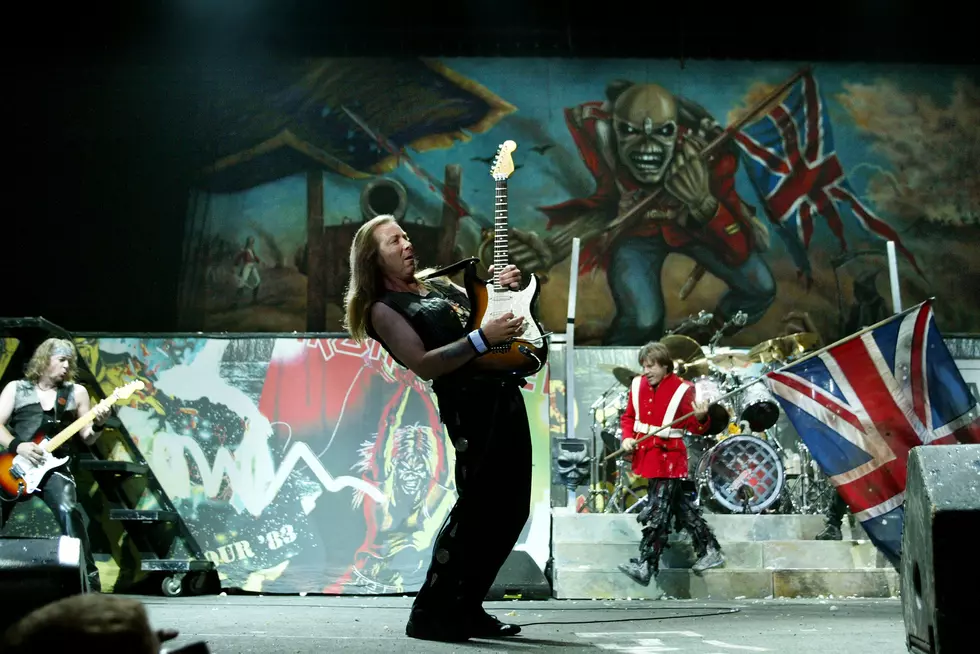
What happened: Although Iron Maiden wasn’t officially banned from performing in Chile in the early ’90s, local venues reportedly refused to book them due to pressure from religious groups branding them as Satanic. It wasn’t until 1996 that they returned to the country, facing a mixed reception from fans.
Marilyn Manson
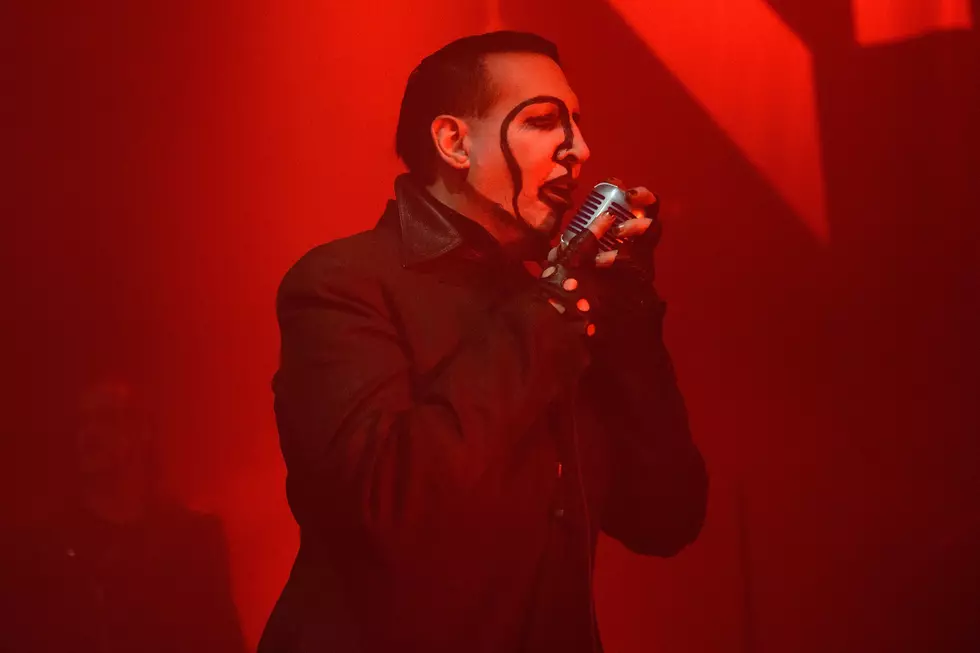
What happened: During his 2014 tour in Russia, Marilyn Manson faced significant backlash from the Orthodox Christian group God’s Will, which accused him of promoting religious hatred and Satanism. Although they did not succeed in canceling the show outright, a bomb threat led to the cancellation of a concert in Moscow just before he was scheduled to perform.
Rotting Christ
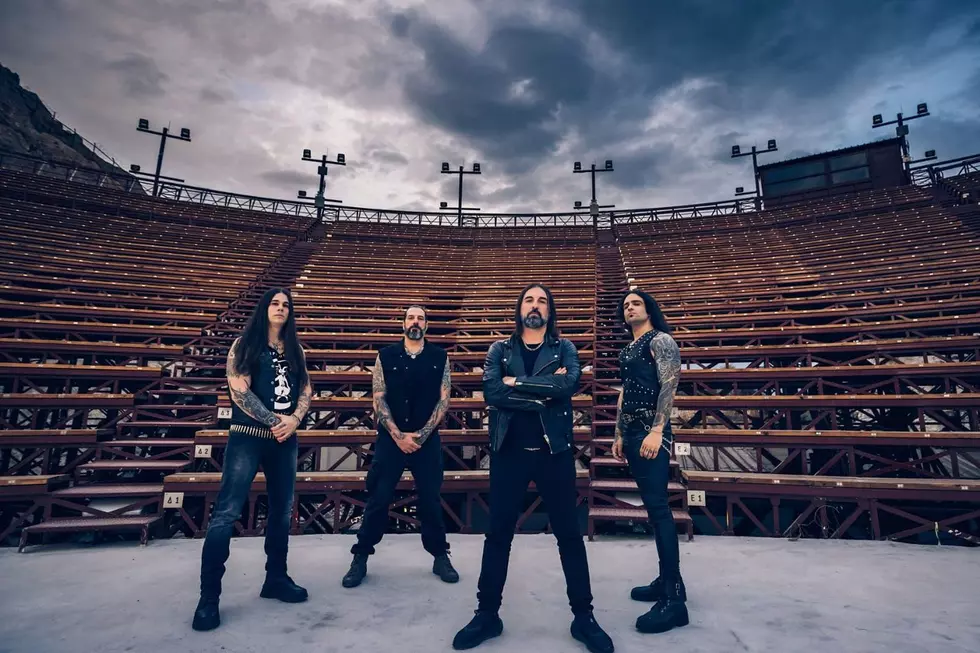
What happened: The Greek band Rotting Christ had a 2019 show canceled in Patras, allegedly due to objections from the Greek Orthodox Monastery. While some reports cited “Satanic imagery” as the reason, others indicated municipal officials claimed technical issues as the cause. Regardless, the band continued to tour successfully in Greece.
Sepultura
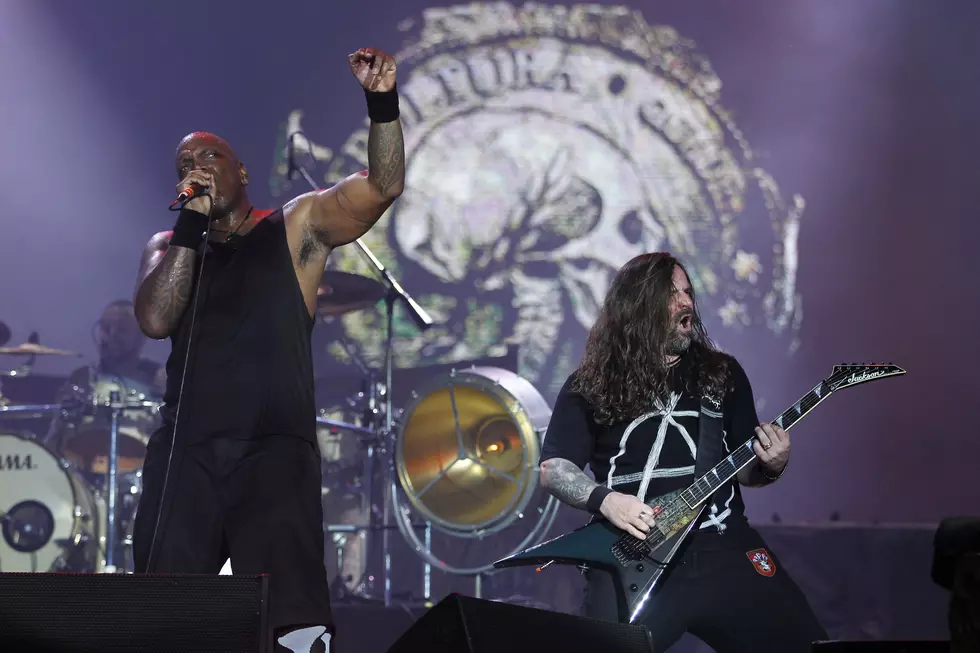
What happened: A planned 2019 concert in Beirut was canceled after the band’s visas were denied, reportedly due to them being labeled as “devil worshippers.” Sepultura’s management clarified that the band is not Satanic and that many members are Catholic, asserting that their criticisms are directed at political and social issues rather than religion.
Slaughter to Prevail
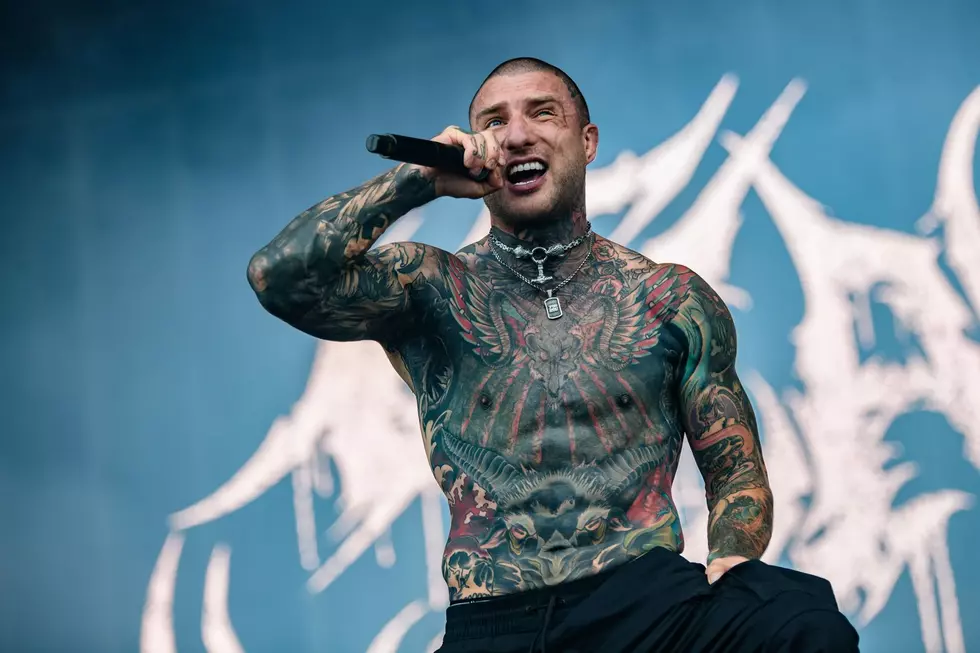
What happened: Slaughter to Prevail faced cancellations of their shows in Turkey in 2026, along with Behemoth, due to accusations of their music being Satanic. Vocalist Alex Terrible responded on social media, emphasizing that the band does not identify as Satanic but rather as a brutal death metal act.
Twin Temple
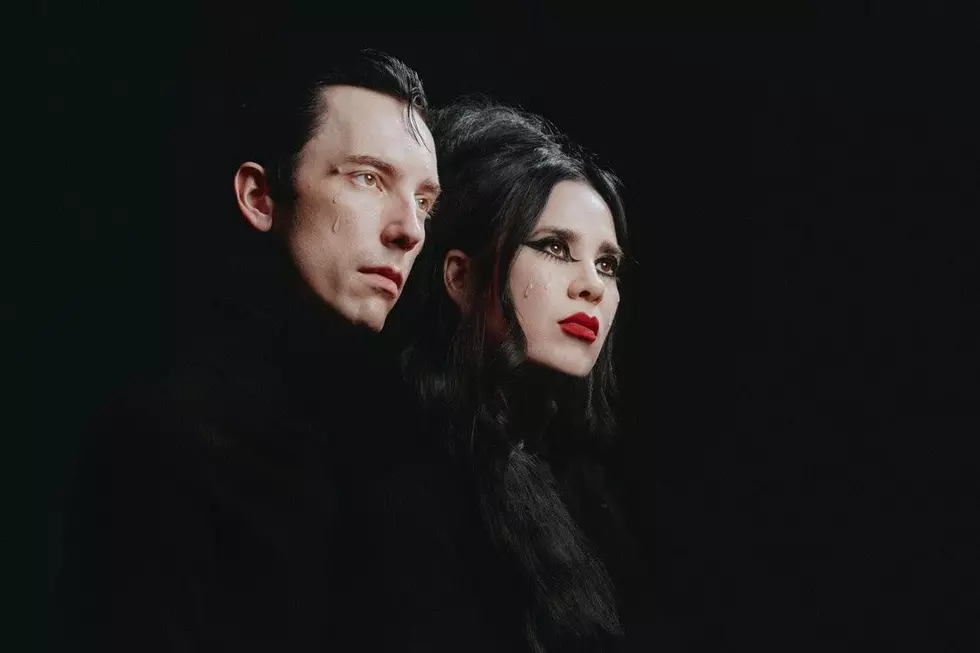
What happened: With song titles like “Lucifer, My Love” and “Let’s Have a Satanic Orgy,” Twin Temple does not shy away from their Satanic identity. After being dropped from Charley Crockett’s tour due to their imagery, they found support from Jack White, who offered them a spot on his tour following the incident.
Conclusion
The intersection of rock and metal music with accusations of Satanism is a recurring theme that highlights the tension between artistic expression and societal norms. From bans and cancellations to the artists’ defiance, these incidents reflect broader cultural conflicts surrounding identity, religion, and art. As the genre continues to evolve, the dialogue between musicians and their critics remains as provocative as ever.
FAQs
What are some common themes in Satanic rock and metal music?
Common themes often include rebellion against religious norms, exploration of the occult, and expressions of personal freedom. Many artists use these themes for shock value or to provoke thought rather than as genuine endorsements of Satanism.
Have any bands openly identified as Satanic?
Yes, some bands, like Twin Temple, openly embrace a Satanic identity in their music and imagery, while others may use occult themes more metaphorically or for artistic expression.
Why do some venues cancel shows due to accusations of Satanism?
Venues may cancel shows due to pressure from religious groups, public backlash, or concerns over potential violence or protests. Sometimes, local laws or cultural norms also play a role in these decisions.
Is there a difference between Satanism and the occult in music?
While both involve themes of mysticism and the supernatural, Satanism specifically refers to the worship of Satan or the use of Satanic symbols, whereas the occult encompasses a broader range of esoteric practices and beliefs.